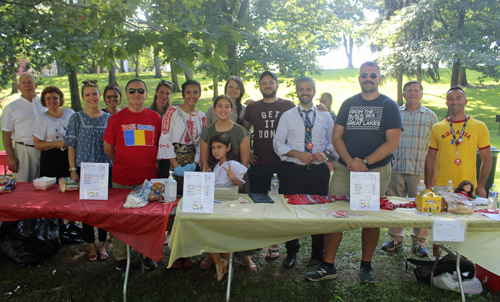
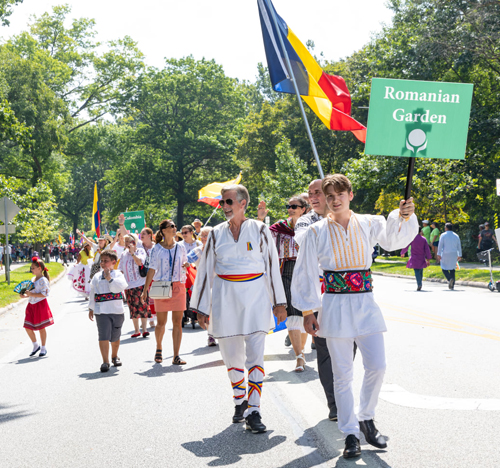
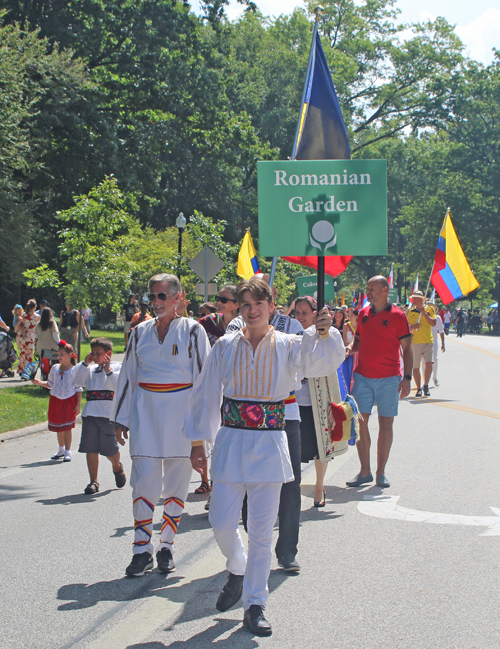
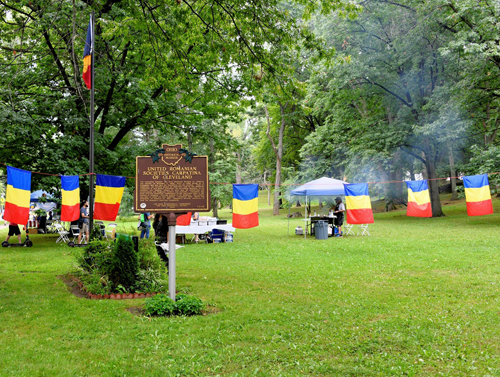
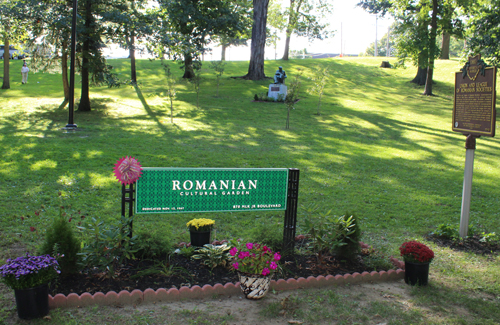
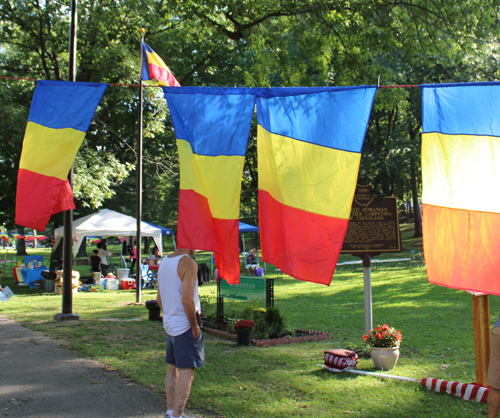
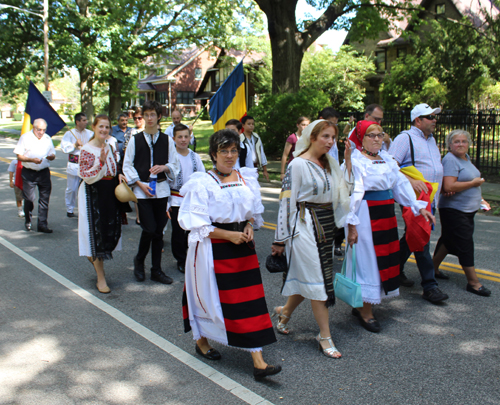
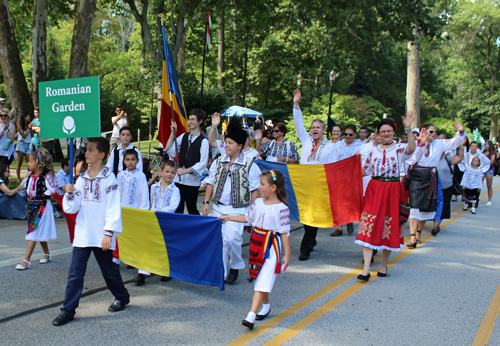
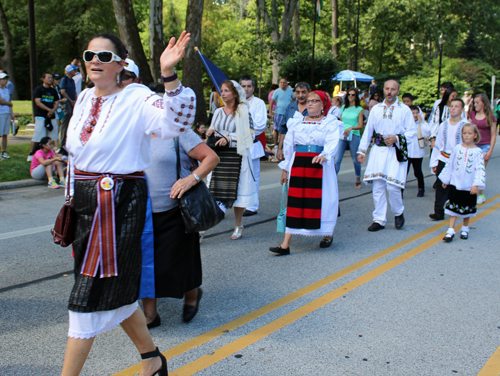
The Cleveland Romanian Cultural Garden demonstrated their heritage at One World Day in the Cleveland Cultural Gardens. One World Day has been the official event of the Cleveland Cultural Gardens Federation since 1946. Over 40,000 people visited the gardens on One World Day 2025.
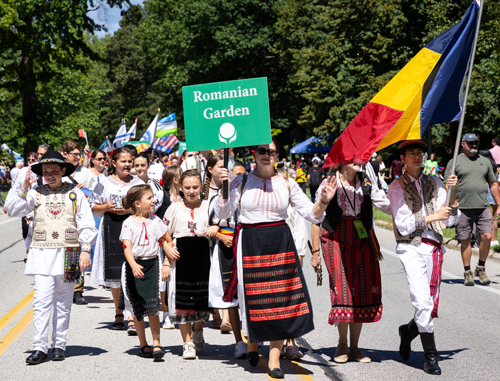
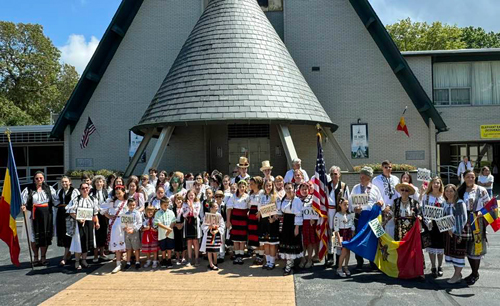
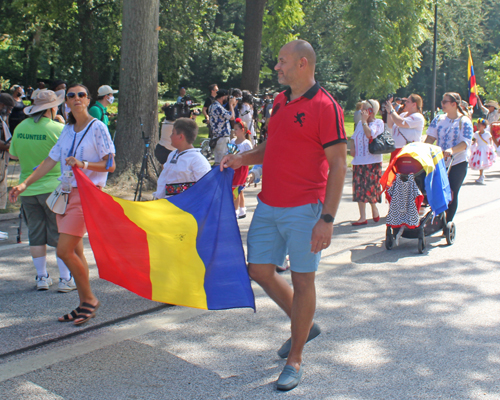
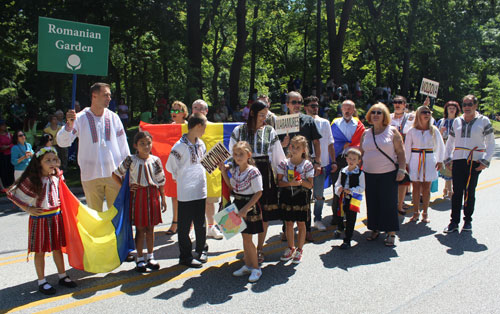
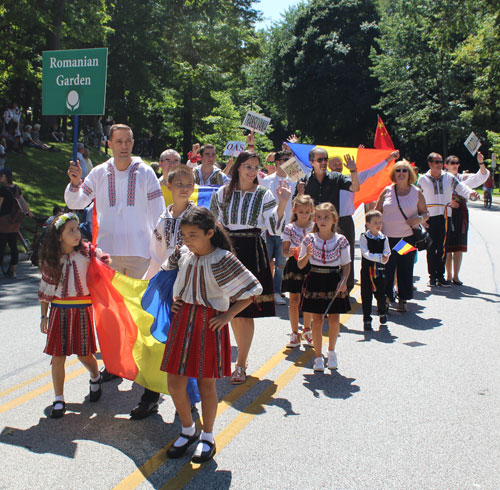
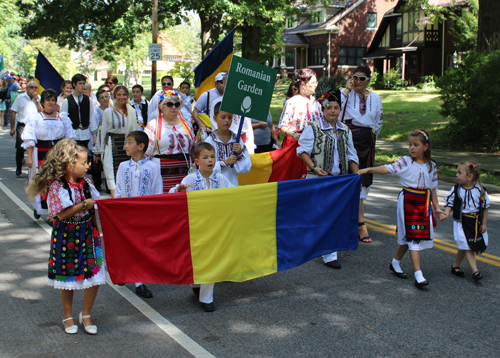
The Romanian Cultural Garden participated in the Parade of Flags which had 1500 people from over 53 countries.
Romanian Cultural Garden in Parade of Flags on One World Day 2025
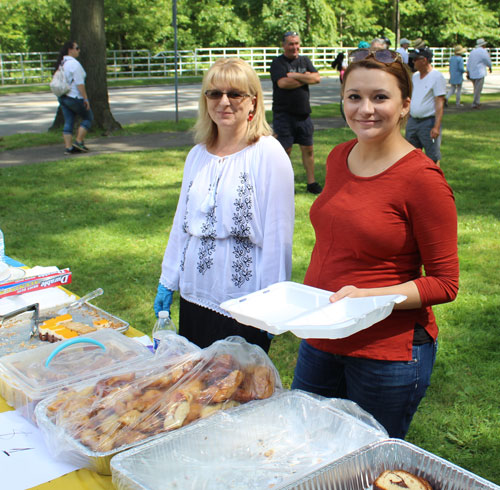
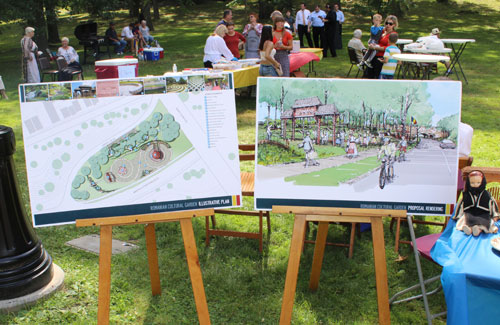
They then hosted visitors to their Cultural Garden for Romanian culture, music, dancing, food and more.
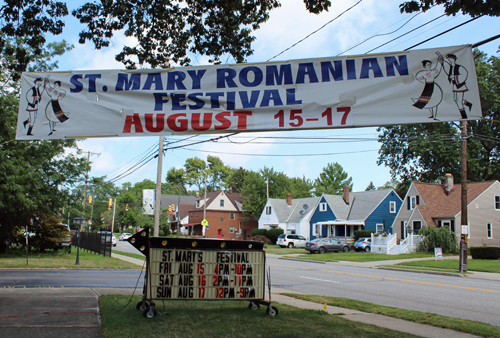
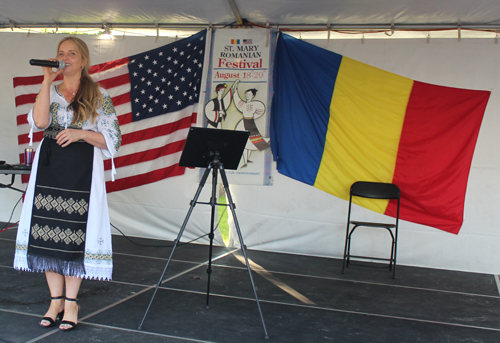
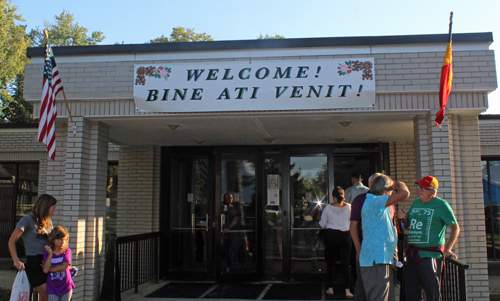
Annual Romanian Festival at St Mary Romanian Orthodox Cathedral
St. Mary's, founded in 1904, is the oldest Romanian Orthodox parish in the United States. Prior to the building of today's cathedral in Cleveland's Kamm's Corners neighborhood in 1960, the church's home was on Detroit Avenue in the old Romanian area of the city. The Festival featured Romanian Cuisine, Imported Beverages, Romanian Pastries, Audio-Visual Romanian Heritage, Church & Museum Tours, Games For Kids, Vendors, Souvenirs and more.
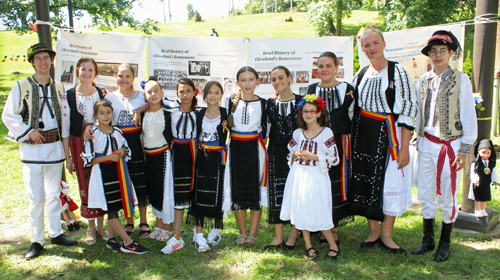
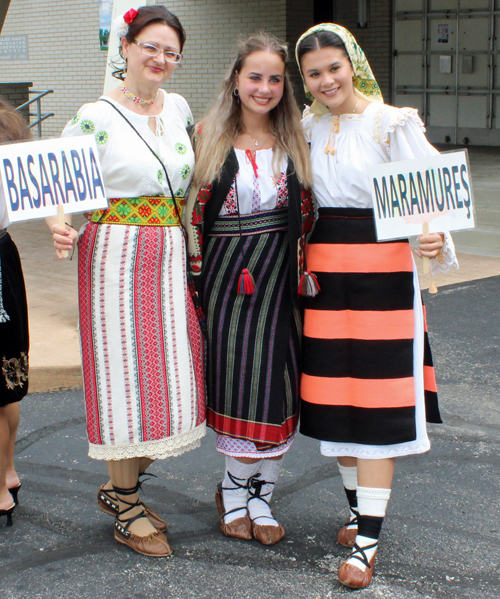
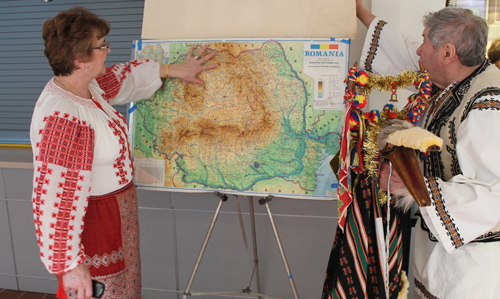
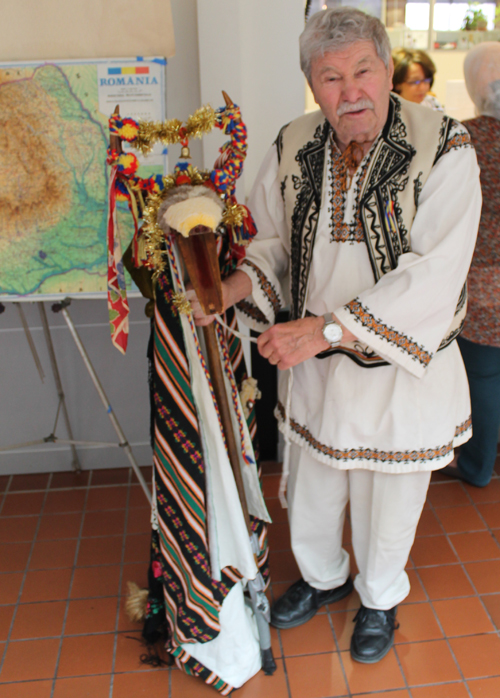
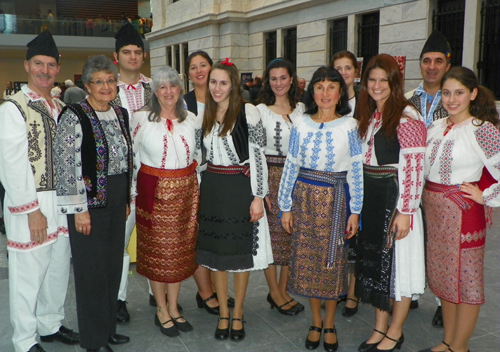
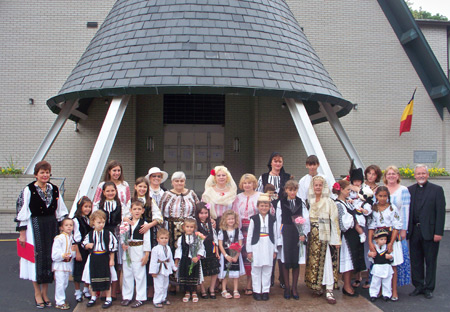
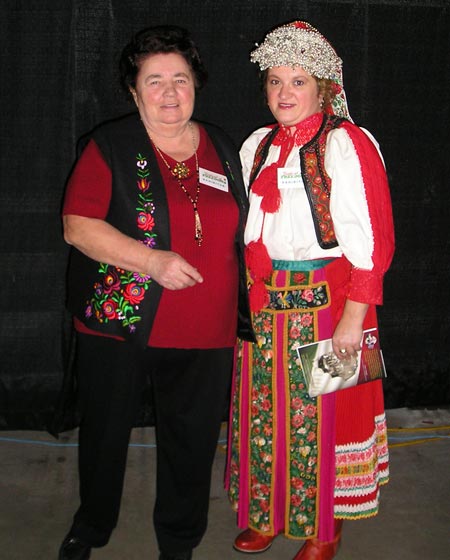
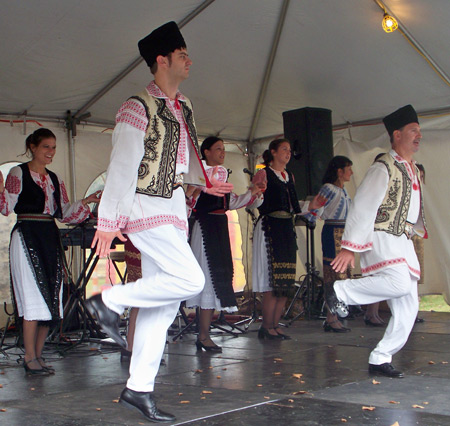
Traditional costumes from all regions of Romania
2023
Romanian Cultural Garden at 2023 One World Day
The Cleveland Romanian Cultural Garden demonstrated their heritage at One World Day in the Cleveland Cultural Gardens. One World Day has been the official event of the Cleveland Cultural Gardens Federation since 1946. Over 50,000 people visited the gardens on One World Day 2023.
The Romanian Cultural Garden participated in the Parade of Flags which had 1500 people from over 53 countries.
Watch the video of the Parade of Flags.
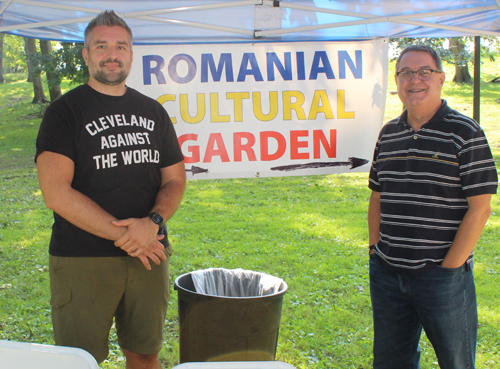
Romanian Cultural Garden on One World Day
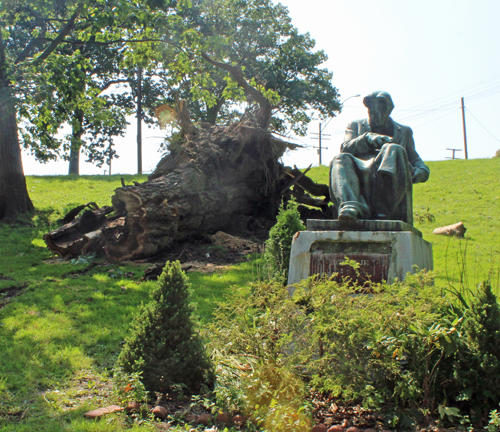
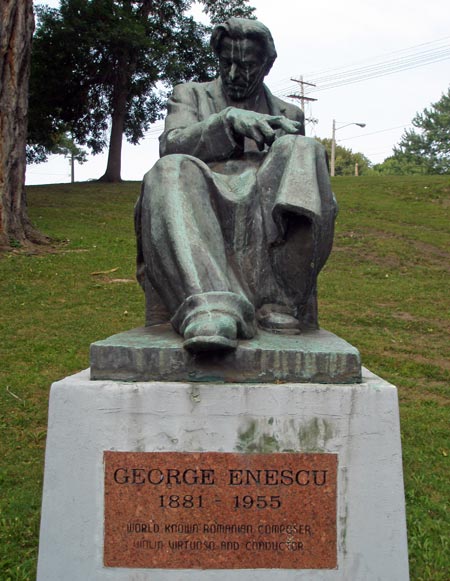
A few days before One World Day a large tree fell in a storm almost hitting the statue of George Enescu!
Annual Romanian Festival at St Mary Romanian Orthodox Cathedral
St. Mary's, founded in 1904, is the oldest Romanian Orthodox parish in the United States. Prior to the building of today's cathedral in Cleveland's Kamm's Corners neighborhood in 1960, the church's home was on Detroit Avenue in the old Romanian area of the city. The Festival featured Romanian Cuisine, Imported Beverages, Romanian Pastries, Audio-Visual Romanian Heritage, Church & Museum Tours, Games For Kids, Vendors, Souvenirs and more.
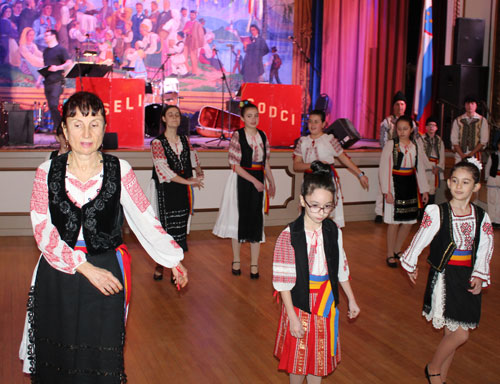
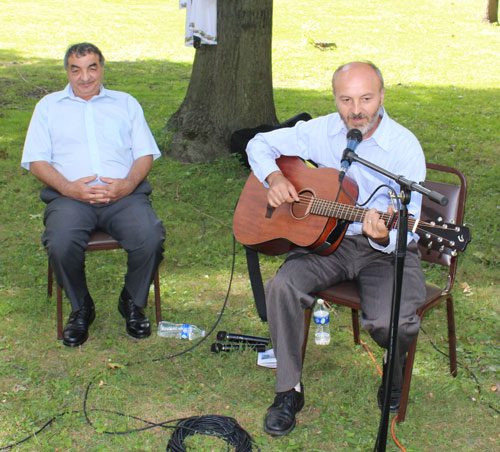
Entertainment included Transylvania Band, Ceata Children's Romanian Folk Dance Group, Doina Dance Group and a Romanian Costumes Parade.
Ceata Romanian Folk Ensemble at 2023 Cleveland Kurentovanje
Ceata Romanian Folk Ensemble is a cultural dance group led by founder and director Mariana Somogyi and dance instructor and choreographer Ovidiu Ghioda. They performed three dances from the Fagaraa region in Transylvania Romania at the annual Slovenian Kurentovanje Festival in the Slovenian National Home in Cleveland Ohio.
Ceata Romanian Folk Ensemble dancers at Kurentovanje
The Cleveland Romanian community demonstrated their heritage at One World Day in the Cleveland Cultural Gardens. One World Day has been the official event of the Cleveland Cultural Gardens Federation since 1946. Over 40,000 people visited the gardens on One World Day 2022.
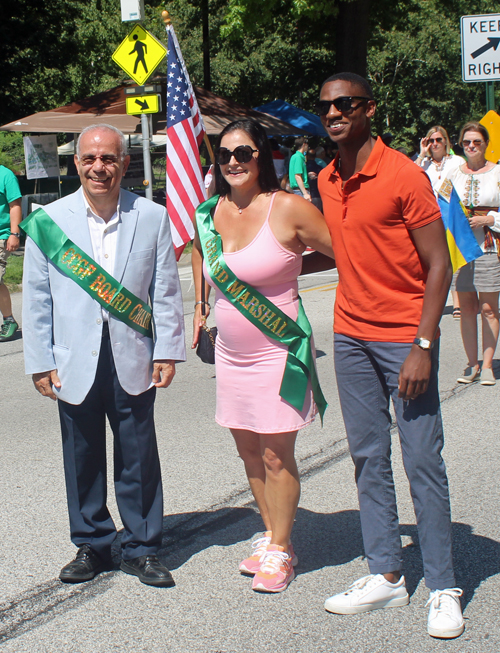
The Romanian community participated in the Parade of Flags. Olympic Gold Medal Gymnast Dominique Moceanu is of Romanian heritage and was Grand Marshal of the Parade of Flags.
Dr. Wael Khoury, Dominique Moceanu and Mayor Justin Bibb
Here is a video of the entire Parade of Flags.
They then hosted visitors to the Romanian Cultural Garden.
Stay informed about the local Romanian and other communities by signing up for the free Cleveland Ethnic eNews mailings.
It's easy and free. Fill out the form for the free eNews.
***
2021
Romanian Cultural Garden at One World Day
Cleveland's Romanian community took part in the 75th One World Day in the Cleveland Cultural Gardens on August 29, 2021. They marched in the Parade of Flags and hosted visitors in their beautiful Romanian Cultural Garden.
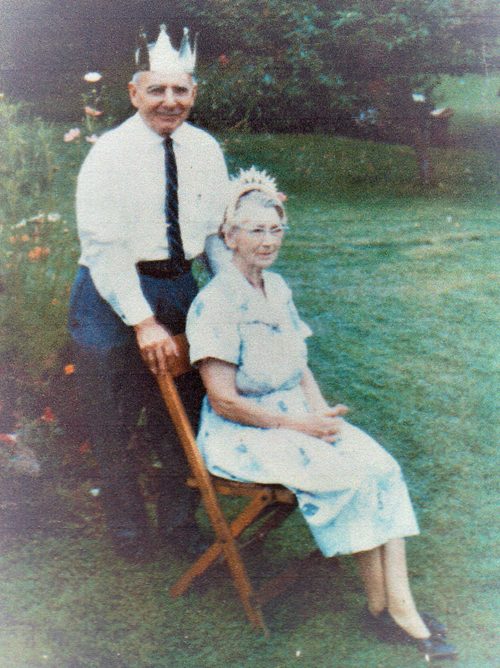
The Vocila family comes from the small village Palos Ardeal, in the County of Brasov, Transylvania Romania. Grandfather Vasile (Charles) Vocila was born November 9, 1886 and immigrated to the United States in 1910 settling in Cleveland Ohio. He was proud of his Romanian heritage and traveled several times to visit his family in Palos.
The Cleveland Cultural Gardens Federation hosted the 74th annual One World Day on August 25, 2019. Police estimates say that over 30,000 people visited the Gardens and attended One World Day. There was a lot of activity in the beautiful and historic Romanian Cultural Garden.
A highlight of One World Day is the Parade of Flags where people in costumes of their heritage carry the flags. This year was undoubtedly the largest and most colorful in memory.
In a preview of One World Day, the Romanian Choir was featured on Fox 8's morning show. Watch the video of the segment.
2018
Romanian Cultural Garden on One World Day 2018
The Cleveland Romanian community was out in full force at the 73rd annual One World Day on the site of the Romanian Cultural Garden. Members of the community marched in the annual Parade of Flags and later there was music, dancing, entertainment, food and fun as members of the Romanian community shared their culture with thousands of visitors on One World Day.
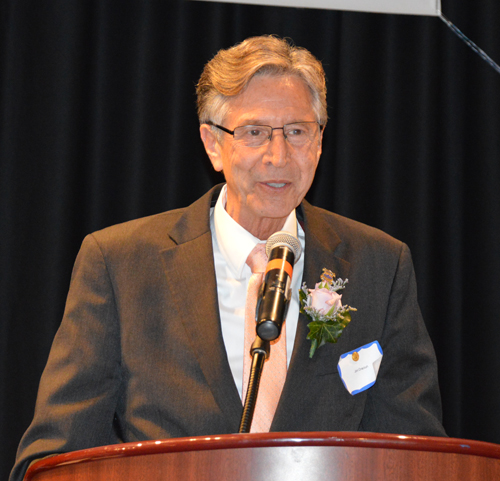
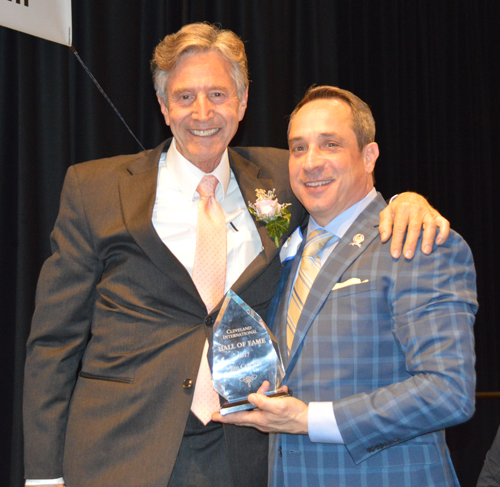
Jim Craciun inducted into Cleveland International Hall of Fame
Jim Craciun was inducted into the Cleveland International Hall of Fame in front of 500 attendees on April 18, 2017. He is the second person of Romanian heritage to be inducted following Lucretia Stoica in the 2011 Class.
Click on the white arrow in the image below to watch the video of Jim's speech. Make sure your speakers are on and you can make the video full screen once it begins by clicking the icon in the lower right corner.
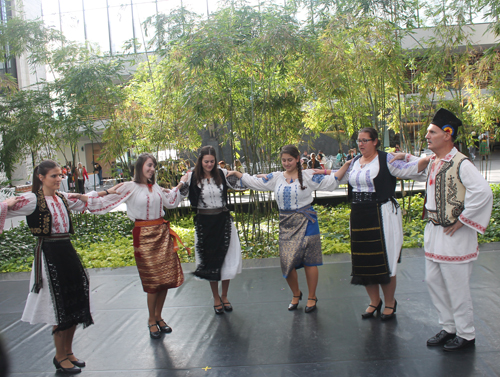
The Sezatoarea Romanian Dance Group performed in traditional costumes at the Cleveland Museum of Art's International Cleveland Community Day in the Atrium of the museum.
August 15-17, 2014
St. Mary Romanian Orthodox Church - 3256 Warren Road, Cleveland
The oldest Romanian parish in America, founded in 1904, rolls out a virtual excursion to the Old Country. The three-day party comes with folk dancers, bands and church tours. Fabulous foods and pastries as well as entertainment.
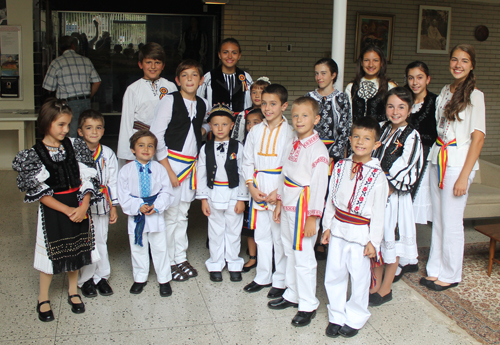
Young boys and girls in traditional Romanian costumes at the Festival
Romanian Cultural Garden in Cleveland Ohio - Virtual Tour
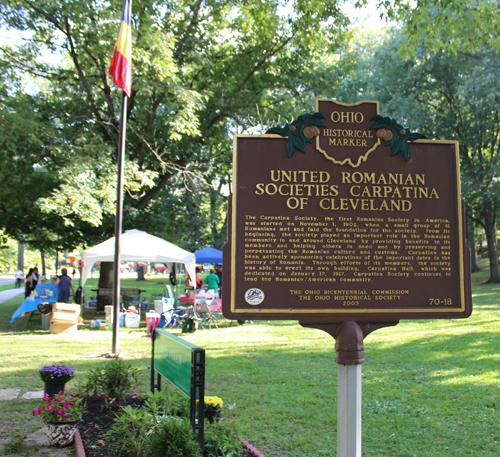
The Romanian Cultural Garden was dedicated in 1967. It is part of the Cleveland Cultural Gardens. Along with an Ohio Historical Marker telling about the United Romanian Societies and Carpatina there is a statue of Romanian composer, violin virtuoso and conductor George Enescu.
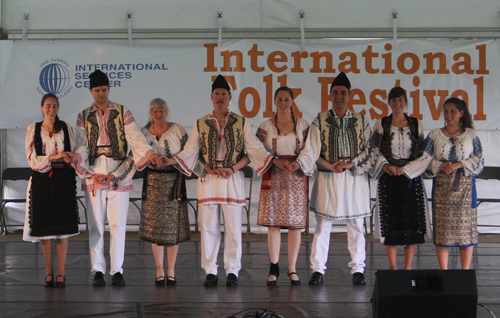
Sezatoarea Romanian Cultural Dance Group at 2013 International Folk Festival
The Sezatoarea Romanian dancers performed at the 2013 International Folk Festival at Wade Oval in University Circle in Cleveland on June 23, 2013.
Romanian taragot at St Mary's Festival in Cleveland
Simion Crobanu played the Romanian taragot in Cleveland Ohio. The taragot is a woodwind instrument commonly used in both Hungarian and Romanian folk music. The songs were Jiana (slow Transylvanian), Invartita and Fagaras.
Romanian music and costumes - different regions
Simeon explained the different musical styles of Romanian music at St Mary's Romanian Festival in Cleveland Ohio. Transylvania music is different from other regions for example. He also showed his traditional black and white dance costume.
Stories from Saxon Grandfather in Romania
In 2013 we spoke with James Kloos who was a volunteer sausage maker at the Sachsenheim Hall. German for "Saxon Home," The Sachsenheim is an historic (over 115 years old) building at 7001 Denison Avenue in Cleveland, Ohio. The Sachsenheim was built and administrated over 100 years ago by the Alliance of Transylvanian Saxons. In this video, James Kloos told about the Saxons and the German and Saxon community in Cleveland.
The Cleveland Romanian community was represented at the 2013 Culture Shock event on April 18, 2013 which was put on by Cuyahoga Community College (Tri-C) West and the Parma City School District.
The many different cultural performances were a highlight of the grand opening of the Ames Family Atrium in the Cleveland Museum of Art on Sunday October 28, 2012. This included a performance by the Sezatoarea Romanian Cultural Dance Group.
Sezatoarea Romanian Cultural Dancers
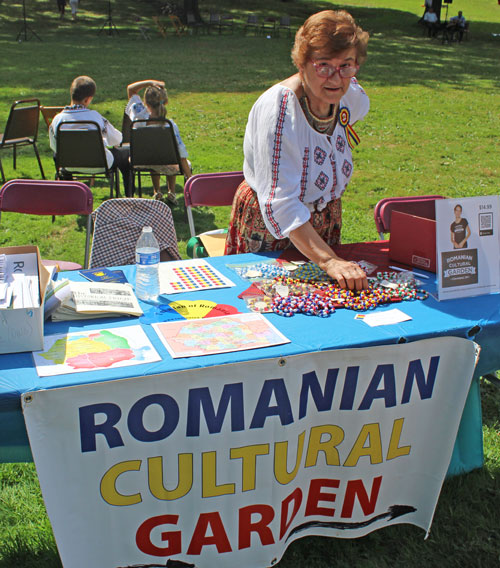
The Romanian Cultural Garden was represented at the Atrium opening.
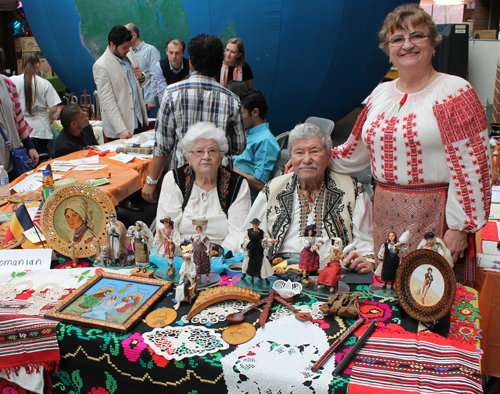
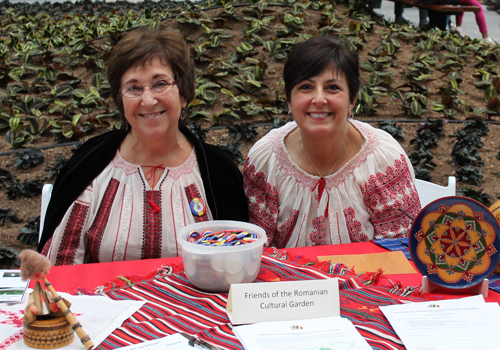
Romanian Cultural Garden table
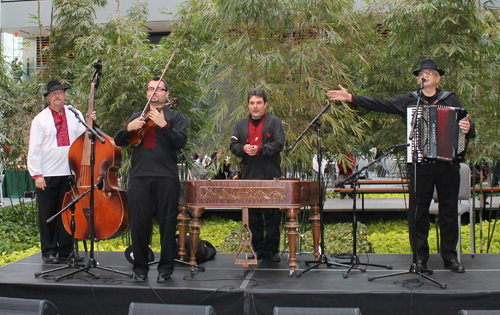
Harmonia Opening of Ames Family Atrium in Cleveland Museum of Art October 28, 2012
The band Harmonia played at the grand opening of the Ames Family Atrium in the Cleveland Museum of Art on Sunday October 28, 2012.
Harmonia at Cleveland Art Museum Ames Atrium opening
Our condolences to the family and friends of George Dobrea who passed away December 4, 2010 at the age of 84. He was an outstanding leader in the International Community for many decades. He also served as Honorary Consul for Romania.
Alin L. Rosca, Honorary Consul of Romania in Ohio said, "George was a great friend and inspiration to myself and countless others. He was a generous and optimistic person, who believed men are innately good, and truth and justice always prevail. He will be deeply missed."
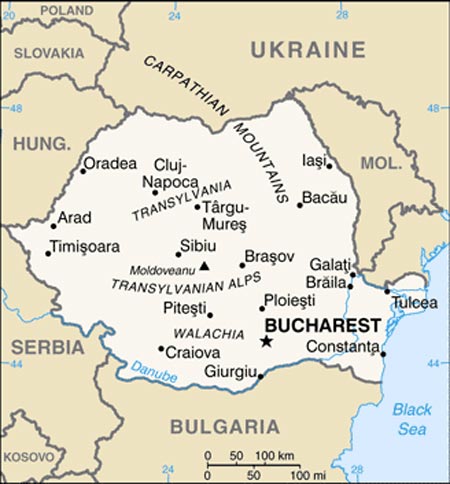
The principalities of Wallachia and Moldavia - for centuries under the suzerainty of the Turkish Ottoman Empire - secured their autonomy in 1856; they united in 1859 and a few years later adopted the new name of Romania.
The country gained recognition of its independence in 1878. It joined the Allied Powers in World War I and acquired new territories - most notably Transylvania - following the conflict.
In 1940, Romania allied with the Axis powers and participated in the 1941 German invasion of the USSR. Three years later, overrun by the Soviets, Romania signed an armistice.
The post-war Soviet occupation led to the formation of a Communist "people's republic" in 1947 and the abdication of the king. The decades-long rule of dictator Nicolae Ceausescu, who took power in 1965, and his Securitate police state became increasingly oppressive and draconian through the 1980s. Ceausescu was overthrown and executed in late 1989.
Former Communists dominated the government until 1996 when they were swept from power. Romania joined NATO in 2004 and the EU in 2007.
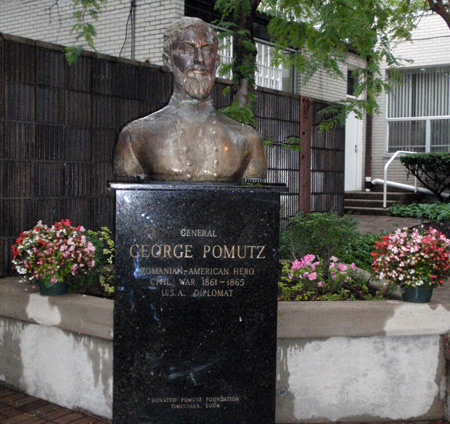
According to Wikipedia, George Pomutz was an ethnic Romanian, and Hungarian officer during the Hungarian Revolution of 1848. He was a general in the Union Army in the American Civil War, and a diplomat.
Read more about the Romanian and other Ambassadors. If you are interested in being considered to be an official ClevelandPeople.com Ambassador to the Cleveland Romanian community, please contact us.